How to choose a photograph of the deceased for the funeral
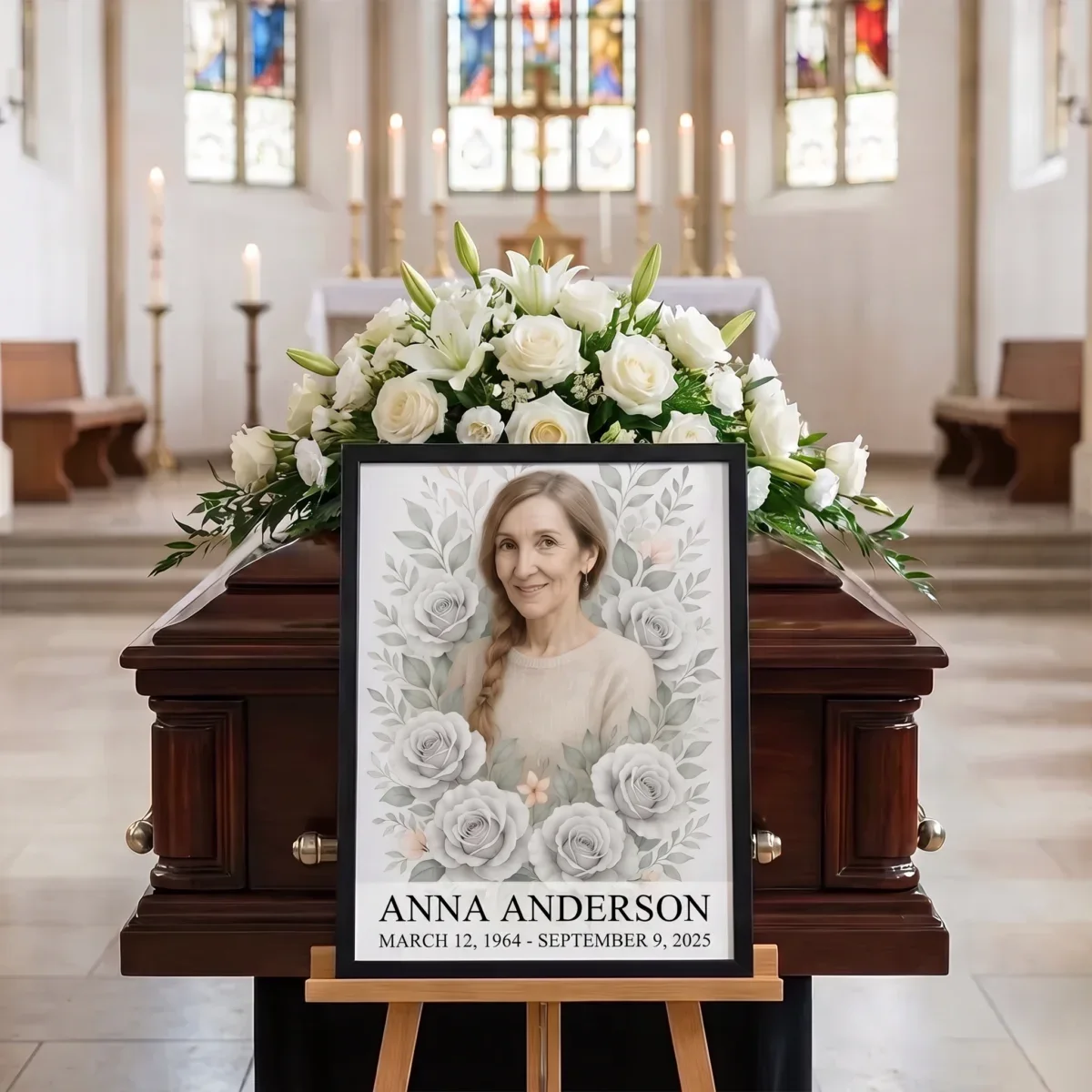
decorative memorial panel with photo and rose motif on funeral easel
Guide
How to choose a photograph for the funeral

Which photograph works, what to do when only a passport photo survives, which size to choose and how long it takes.

Updated 9 September 202610 min read
Contents

Choosing a photograph of someone who has died is one of those decisions taken in a short space of time and under real strain. It can look like a small part of the arrangements, yet the funeral photograph does a good deal of work — it draws the eye, it gives people something to gather their thoughts around, and it lets a farewell be made with dignity. Below: what the portrait is for, and what to look for when picking the photograph it will be made from — including when the only thing left is a passport photograph or a picture from a driving licence.

Why the choice matters

The funeral photograph is one of the most personal parts of the day. It is where the eyes of everyone present come to rest, and for the family it is a dignified, respectful presentation of the person they are saying goodbye to. A well-chosen portrait holds the gravity of the occasion, settles the room, and lets people grieve quietly and in their own way. It also appears in more than one place across the day — beginning with the service itself.

What the funeral photograph is for

At the crematorium chapel or church

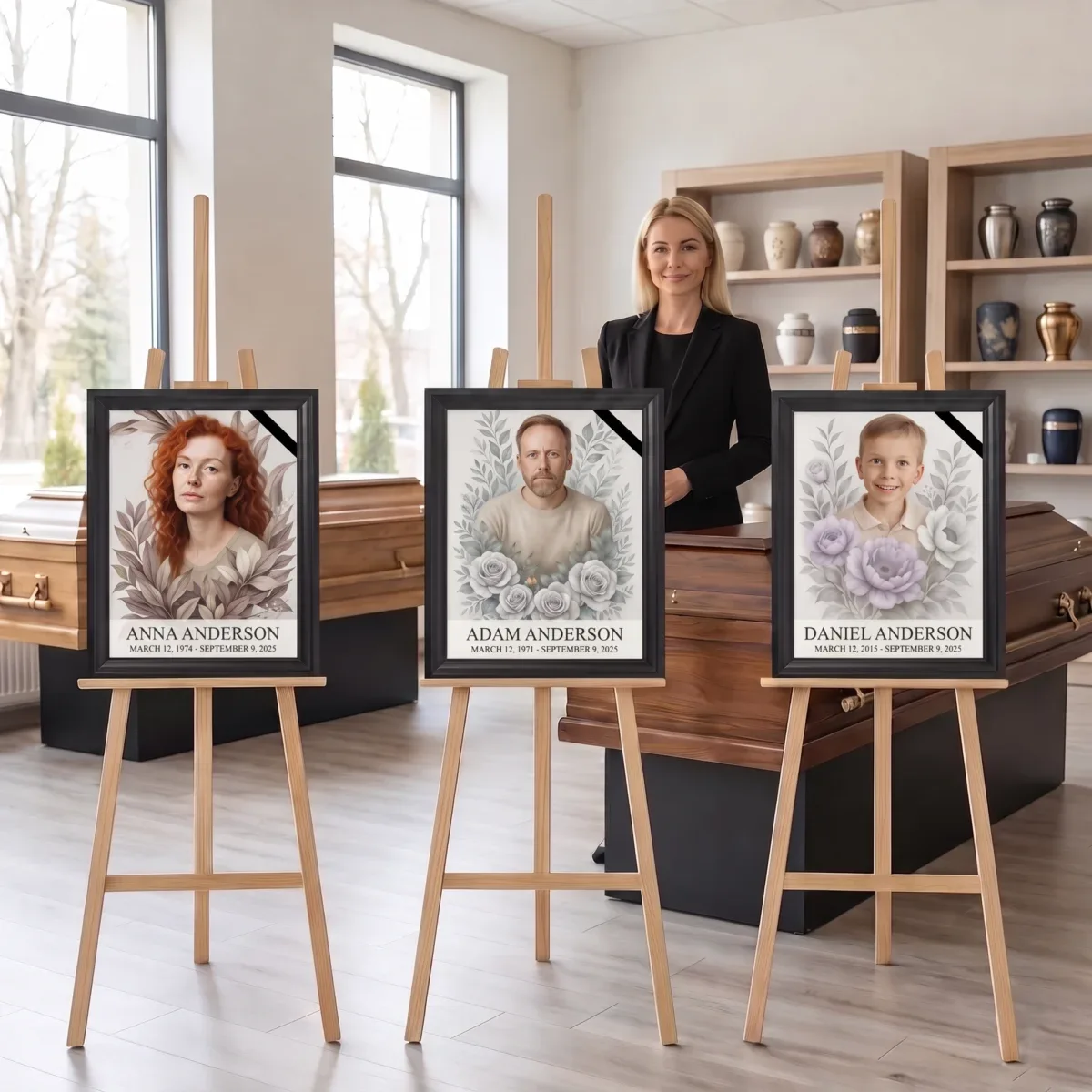
During the service the portrait usually stands on an easel beside the coffin or urn. It becomes the visual anchor of the room, whether the service is religious or a civil celebration of life. It helps those present gather their thoughts around the person, pause for a moment and pay their respects in silence. It also gives the room a personal, human dimension — which matters most to those who had no chance to say goodbye beforehand.

decorative memorial panel with photo and rose motif on funeral easel

The procession to the graveside

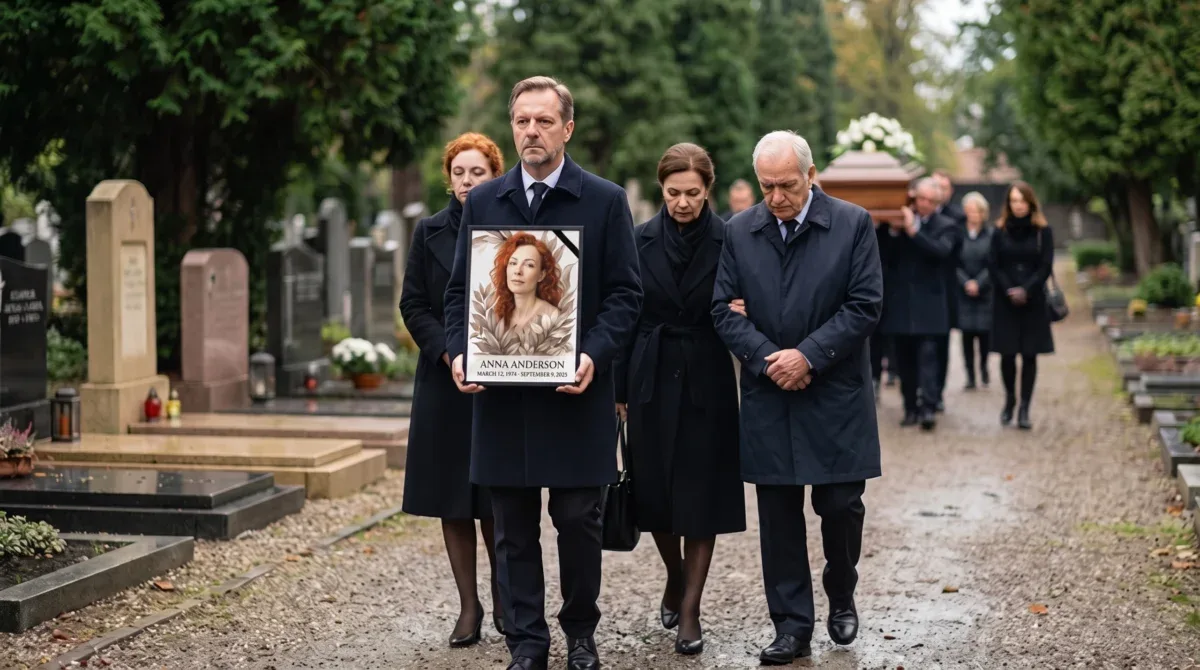
Where mourners walk behind the coffin, the photograph carries a plain, legible meaning: it says who is being remembered. Held by a family member or by someone from the funeral director’s staff, it becomes the visual centre of the procession and lets everyone — including people watching from the roadside — recognise at once whose funeral this is. It gives the walk an ordered, dignified character and underlines the personal nature of the last journey.

large custom photo for headstone carried during funeral procession

Left at the graveside among the flowers

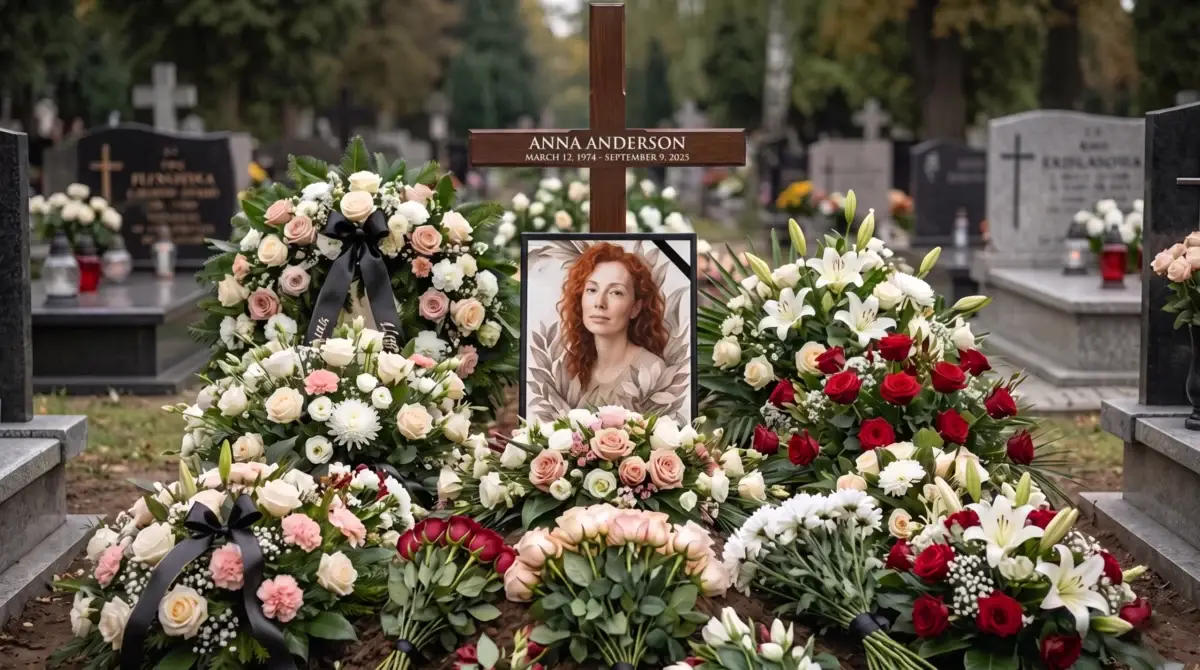
Once the committal is over, the photograph is often left among the wreaths and floral tributes as a quiet marker of remembrance. Propped against the headstone or the cross, it lets people linger a moment longer with the face, look at it properly and take their leave without hurrying. It deepens the emotional register of the day and extends the service naturally, before the family decides what becomes of the portrait next.

custom photo for memorial portrait on wooden cross among wreaths

A keepsake to bring home

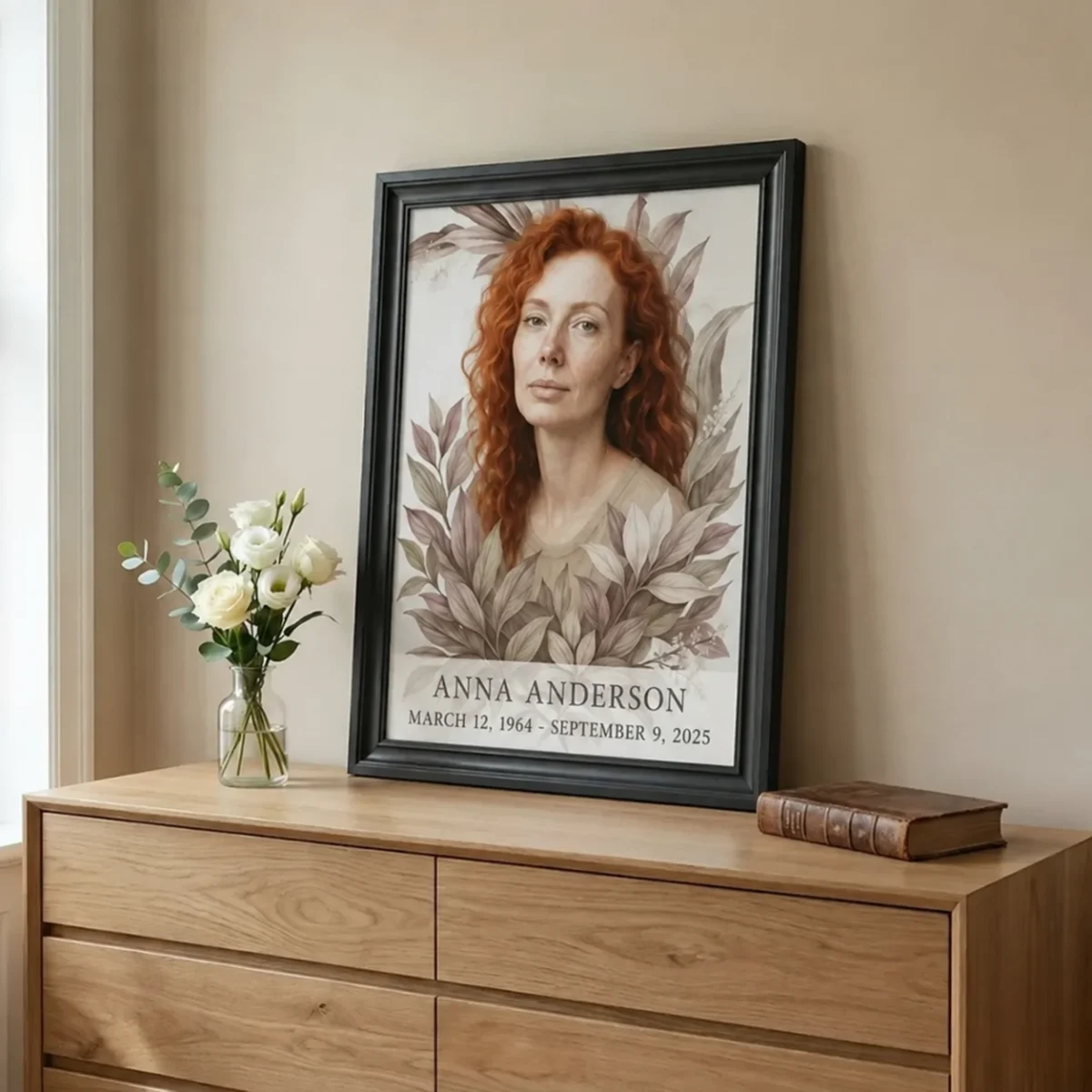
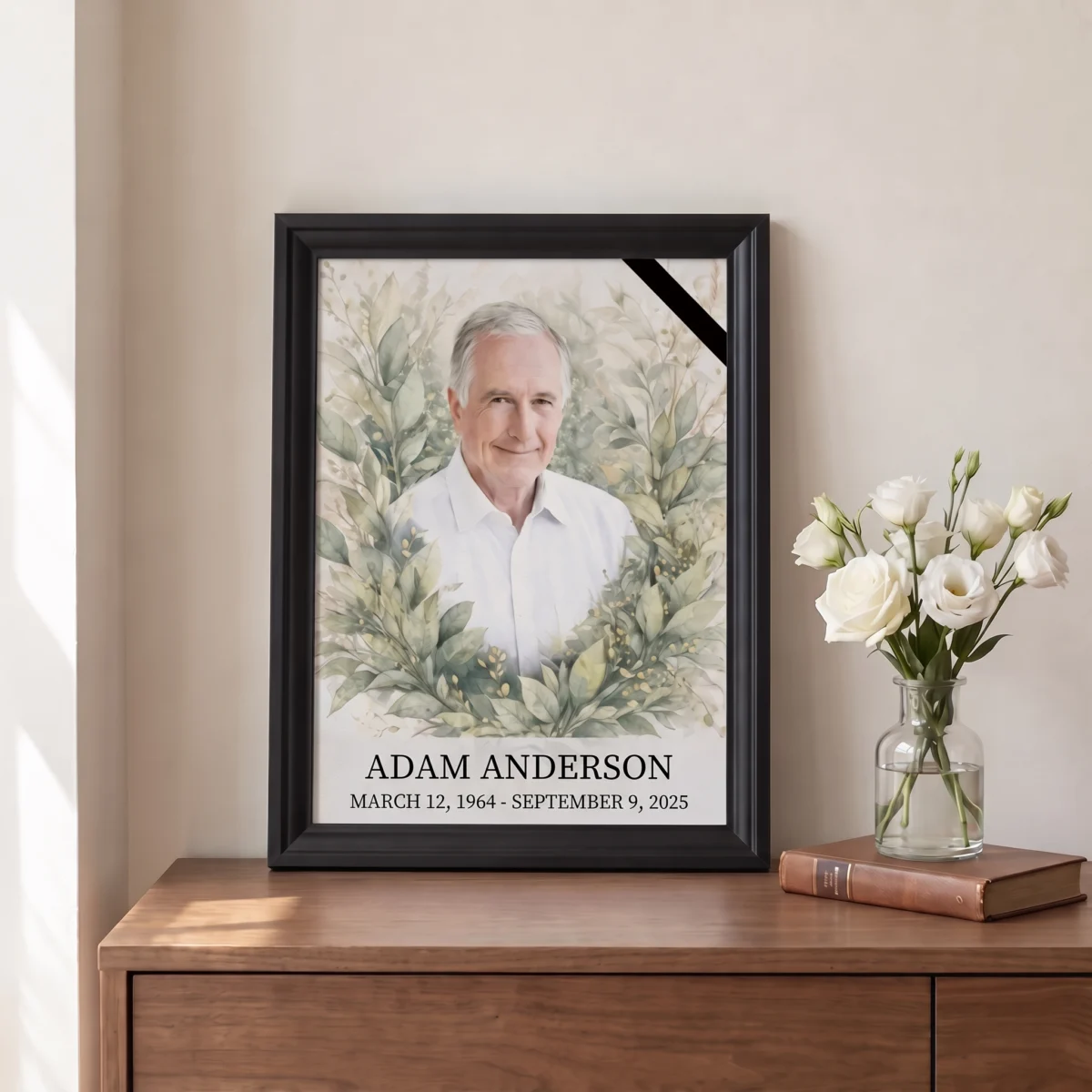
After the funeral the portrait very often becomes a lasting keepsake for the closest family. Placed at home — on a chest of drawers, a shelf, or a small place set aside for remembrance — it holds the likeness of someone close in a calm, dignified form, free of the weight of the ceremony itself. It helps keep memories alive, lets people return to the person in a private space, and gives a sense of continued presence that many families find matters enormously through grief.

personalised memorial portrait framed with floral motif on cabinet

Which photograph works best?

Calm, natural photographs work best, free of anything incidental. What you want is a shot where the face is clearly visible and sharp, and the expression is neutral and gentle. As a rule, pictures taken from a short distance work well — from the waist up. Avoid busy backgrounds, harsh sunlight and animated poses. The simpler and more restrained the shot, the more naturally it sits within the character of a funeral.

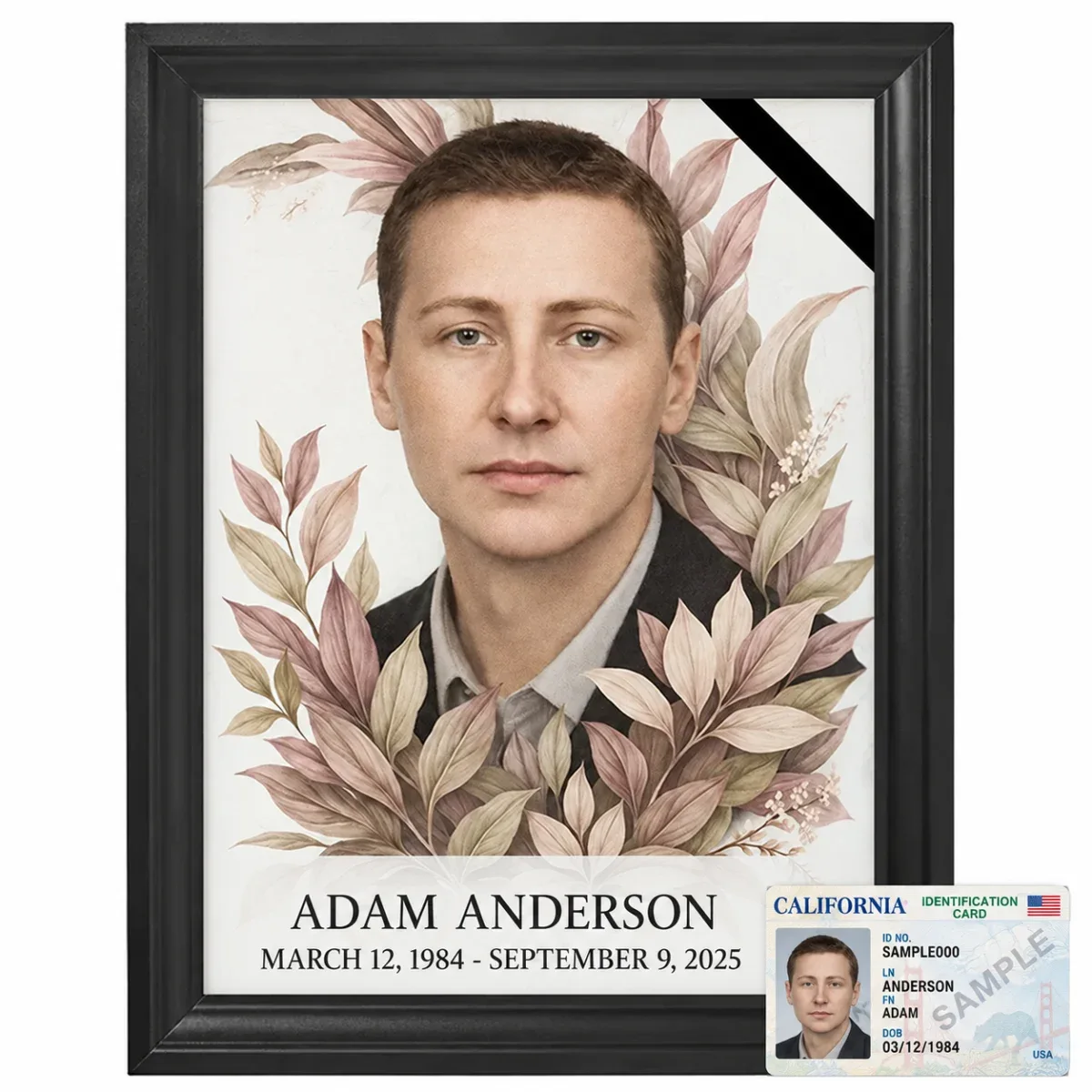
Will a passport or driving-licence photograph do?

The answer is yes, it can be done. What matters is a faithful likeness and a calm, restrained portrait at the end of it. Treat a document photograph as the last resort, though — for when the family genuinely has nothing else. You can hand it to the funeral director or send it to us directly. If, once you are back home, a few more photographs turn up, do send them on by email. The more reference material we have, the easier it is to capture the features, the natural expression and the character of the person — and the closer the finished portrait will be to how they were.

Custom memorial portrait created from a photo, framed with floral wreath design
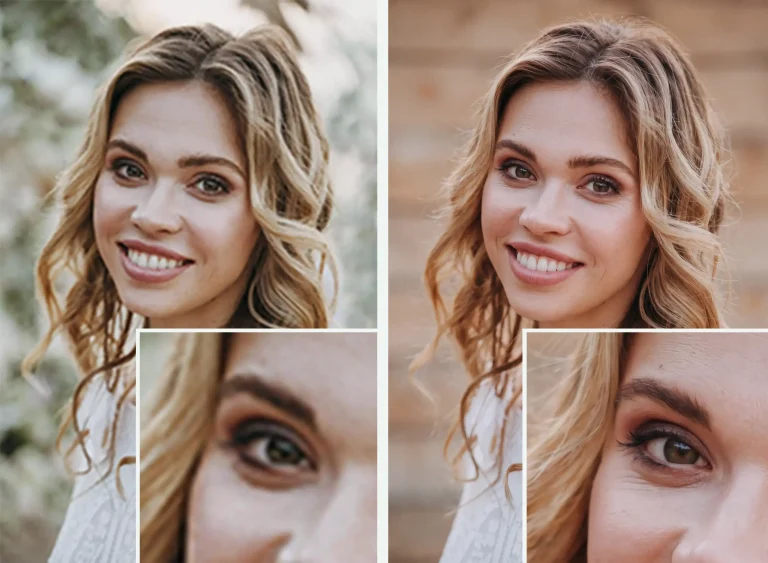
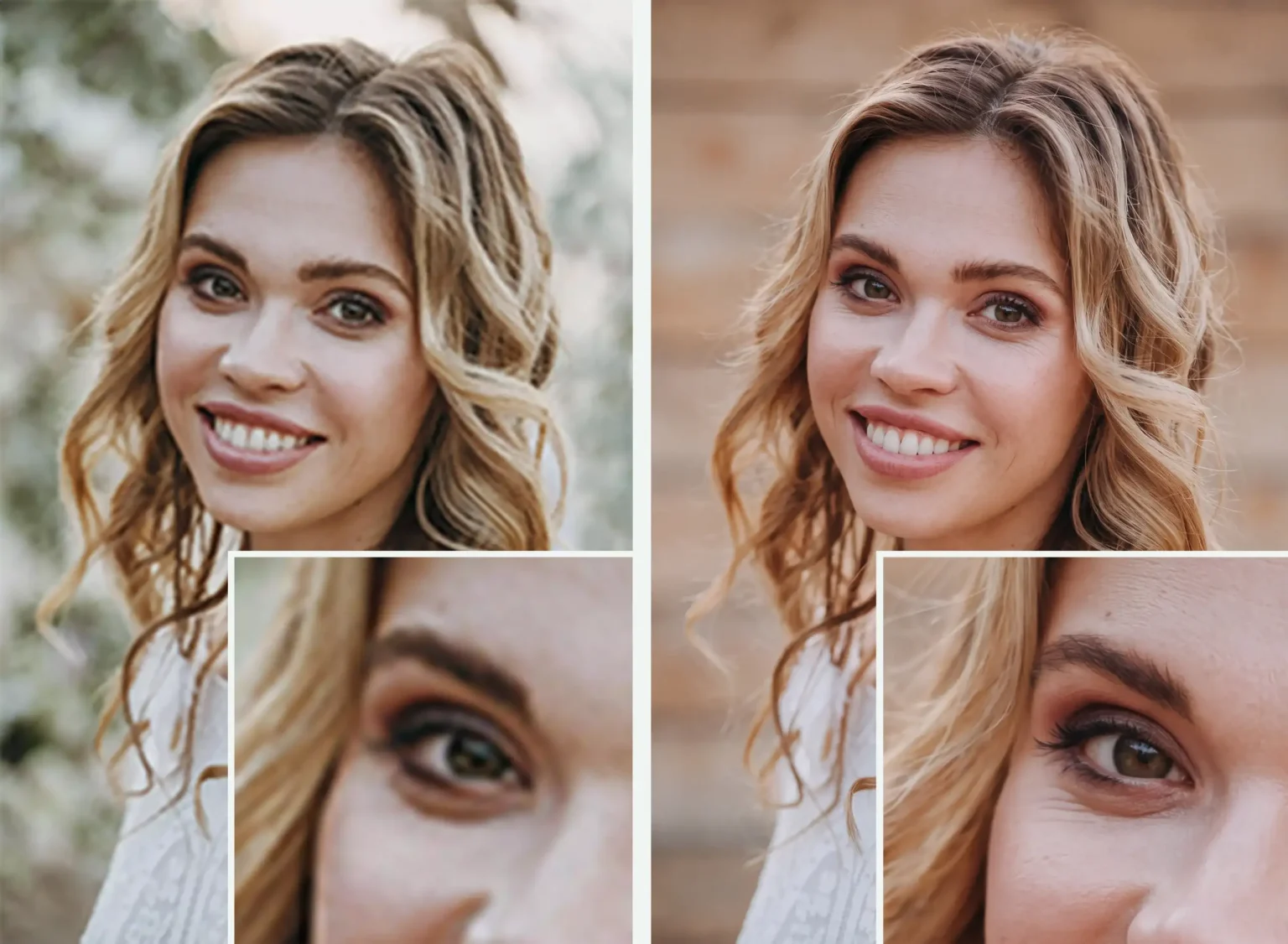
A headstone photograph before and after restoration — illustrative example Original on the left, restored file on the right

Photo restoration
for headstones and funeral ceremonies

The service is for funeral homes, stonemasons and private individuals who need a photograph improved quickly — in time to have it printed by a local photographer for the ceremony, or prepared for use on a headstone.

We also restore photographs in very poor condition — we remove paper texture, grain and yellowing, bring back sharpness in the face and hair, and crop the frame to the format you choose. We hand over the print-ready file as a link you download to your computer.
Drag your photo hereJPG, PNG, WEBP, TIFF — up to 64 MB Choose file
€25
standard, within 72 hours
€45
express, within 24 hours
Go to the service

Which size is right?

What works at a funeral is a size that stays legible from a few paces away while keeping restrained, elegant proportions. The two most often chosen are 30 × 40 cm and 40 × 50 cm — roughly 12 × 16 and 16 × 20 inches. Both sit well on an easel beside the coffin or urn: they do not dominate the room, yet they read clearly from where people are sitting. Afterwards both formats work equally well at home, keeping the same quiet, elegant character.

Frame, ribbon and mount — the details that count

How the photograph is framed matters both visually and symbolically. The usual choice is a classic black frame, which holds the gravity of the occasion and sits harmoniously within it without drawing attention away from the face. In many cases a black mourning ribbon is added across a corner. That is a physical element — it can be adjusted, repositioned or removed entirely once the service is over. Small as these details seem, they shape how the portrait reads as a whole and help keep it dignified and restrained.

custom photo for memorial with colour photo for memorial in a black frame

What happens to the photograph afterwards?

Once the funeral is over the portrait very often becomes a lasting keepsake. It may be placed at home — on a chest of drawers, a shelf, or hung on a wall — as a calm and respectful reminder of someone close. Many families also order two, three or four copies of the portrait as keepsakes for close relatives. It keeps the memory within the family and lets people return to it in their own private space.

Looking for a funeral photograph or components for memorials?
See framed funeral photographs

How long does it take?

As standard, the design of the portrait is ready within 24 hours of receiving the photographs. Once you approve it, printing, framing and dispatch follow — the whole process usually taking 48 to 72 hours. In practice many of the funeral directors we work with order the digital design only. The printing is then done locally, on photographic paper at a nearby lab, and framed in black there. Private customers can do the same: order the digital design from our shop and have it printed by their own photographer. Where the lab can print while you wait, the whole thing comes down to 24 to 36 hours, since there is no courier in the chain.

How to order

There are several routes. The most common and least demanding is ordering through the funeral director. Their staff help choose the design of the portrait, take the photographs of the person who has died and pass them to us. Once the work is done, the funeral director also handles displaying it properly — on an easel beside the coffin or urn — during the service at the chapel, church or funeral home. The whole process is built around sparing the family additional stress.

If your funeral director does not work with us, or the family would rather arrange the photograph themselves — including after the funeral has taken place — you can order directly from our shop. Choose the design, set the parameters and add the photographs during checkout, or send them by email afterwards. Whichever route you take — through the funeral director, directly from the shop, or as a digital design to print yourself — the process is deliberately simple, because these things are rarely arranged with time to spare.

Framed memorial portraits with floral motifs displayed on easels for a funeral director

A group shot, a wedding photograph, a picture from a phone — what can be used?

Families rarely have a ready-made portrait to hand. What usually reaches us is a crop from a group photograph — a wedding, a christening, a family lunch. That works, on one condition: in the original, the face needs to occupy at least a fifth of the frame’s height. If the person is standing in the back row at the size of a thumbnail, enlarging them leaves a smudge.

A wedding photograph is often the best material a family has — the face is sharp, the light is even, the pose is composed. The only thing to expect is that a veil, a bouquet or someone else’s shoulder will be in the frame and will need removing.

A photograph from a phone is perfectly usable, provided you send the original file from the gallery. A copy from a messaging app has been reduced along the way — usually to somewhere between 1000 and 1600 pixels — and will not stand up to a 30 × 40 cm print.

Where the available material is poor or damaged, we prepare it separately as part of photo restoration: removing grain, yellowing and paper texture, bringing back sharpness in the face and hair. Within 72 hours as standard, or 24 hours on the express option.

Common questions

I only have one photograph and it is poor. Will you make it in time?
Usually yes. The design of the portrait is ready within a day of receiving the material. If the photograph needs restoring first, the express option returns it within 24 hours.

Do I have to order through a funeral director?
No. It is the least demanding route, because they also take care of displaying the portrait during the service, but you can order directly from our shop — including after the funeral.

Which size should I choose?
30 × 40 cm or 40 × 50 cm. Both read clearly from a few metres away, neither dominates the room, and both work afterwards as a keepsake at home.

Can the turnaround be shortened?
Yes — by ordering the digital design alone and having it printed locally. That removes the courier from the chain and brings the whole thing down to 24–36 hours.

In summary

The photograph used at a funeral is not decoration; it is a plain statement that this person was here. A well-chosen portrait gives the day its shape, helps those present settle their attention, and carries them through the stages of the farewell. Whatever material is available and whichever route you take, it is worth insisting on consistency, simplicity and restraint. Those are the qualities that let a portrait do its work — during the service, and long afterwards in the quiet of someone’s home.

Share this article

← All posts