


What is a funeral photograph?
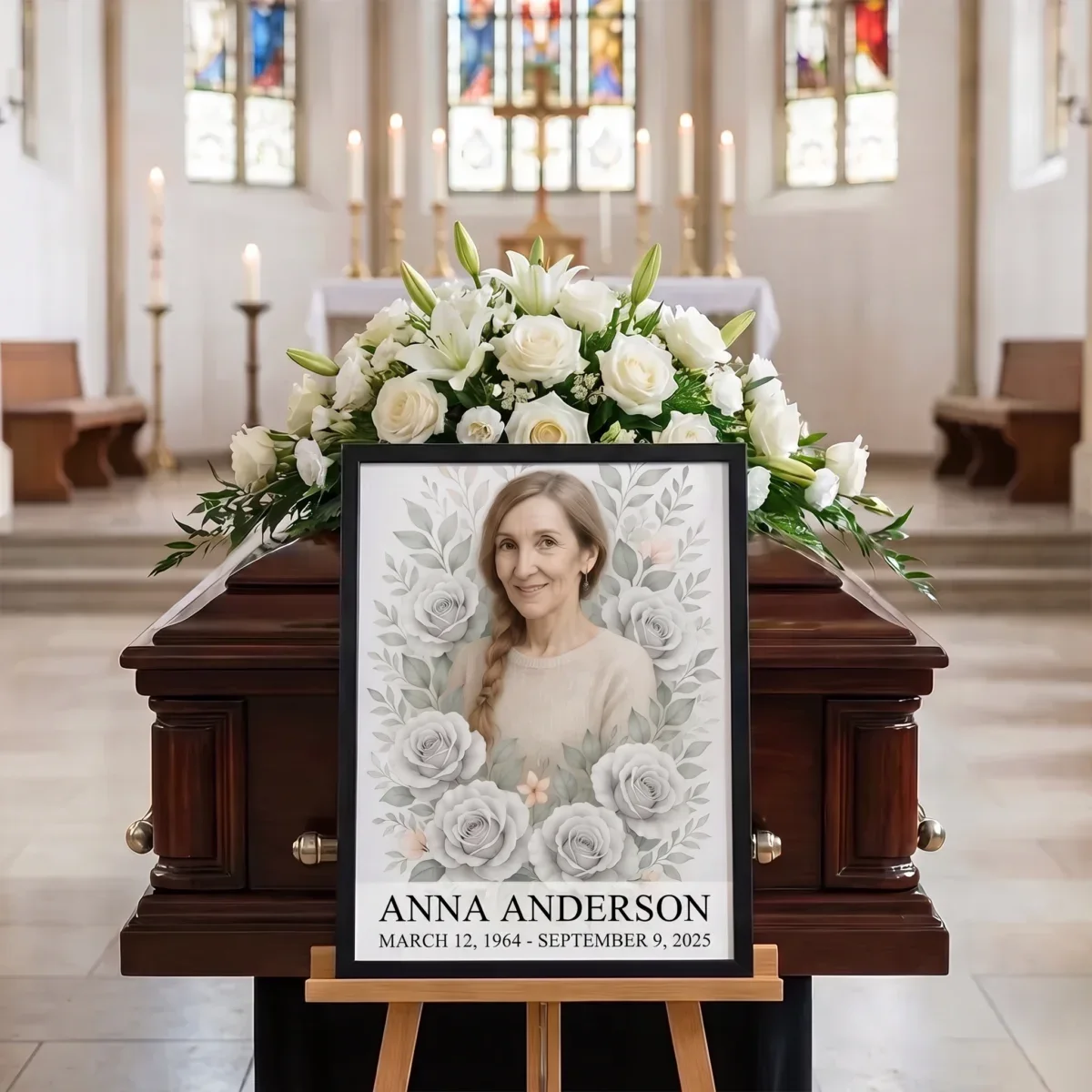
Where it is displayed, how long it can stay at the graveside and what resolution a print needs.
Contents
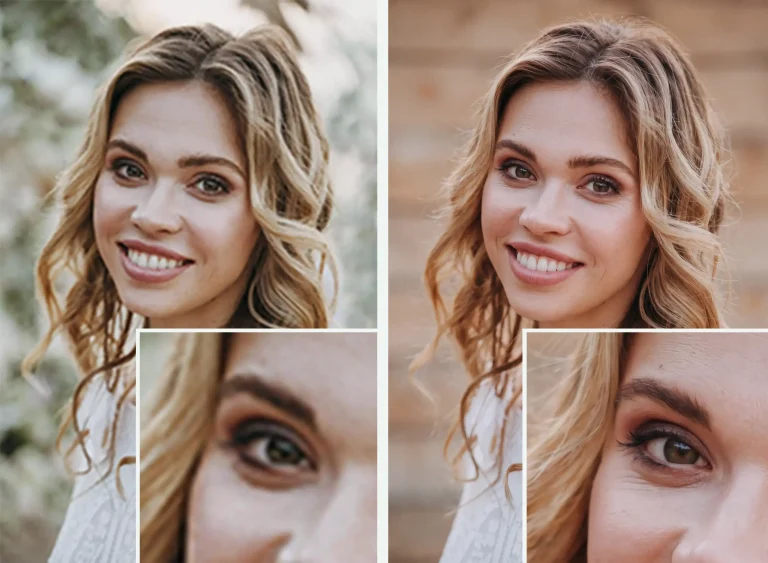 Only an old or blurred photograph?
What a funeral photograph is, and what it is for
A funeral photograph is a particular form of remembrance that accompanies the family through the farewell. It is usually a portrait of the person who has died, prepared in a calm, muted style and set in a classic black frame. During the service it stands on an easel beside the coffin or urn, and becomes one of the quiet focal points of the day.
The portrait does more than fill a space at the front of the room. It gives mourners somewhere to rest their eyes and gather their thoughts, and it gives the farewell a personal character that words alone rarely manage. Once the service is over, the photograph very often stays with the family as a lasting keepsake.
Where the photograph is displayed during the service
In Britain most funerals now take place at a crematorium chapel, and it is there that the portrait is most often seen — on an easel beside the coffin, or on the table that holds the order of service booklets and the book of condolence. At a church funeral or a graveside burial the arrangement is much the same, only the setting changes.
A photograph in a black frame, kept in light and restrained tones, sits naturally within the mood of the occasion. A soft floral or foliage surround underlines the atmosphere of quiet and respect, so that those attending can turn their attention to the person they are there to remember, pause for a moment of reflection and say goodbye with dignity.
The photograph after the service — at the graveside or on the memorial
Once the committal is over, families often choose to leave the photograph at the graveside, propped against the headstone or set among the flowers and wreaths. It is a small gesture, but it lets people who arrive later — or who come back the following day — stop for a moment with the portrait rather than a bare plot.
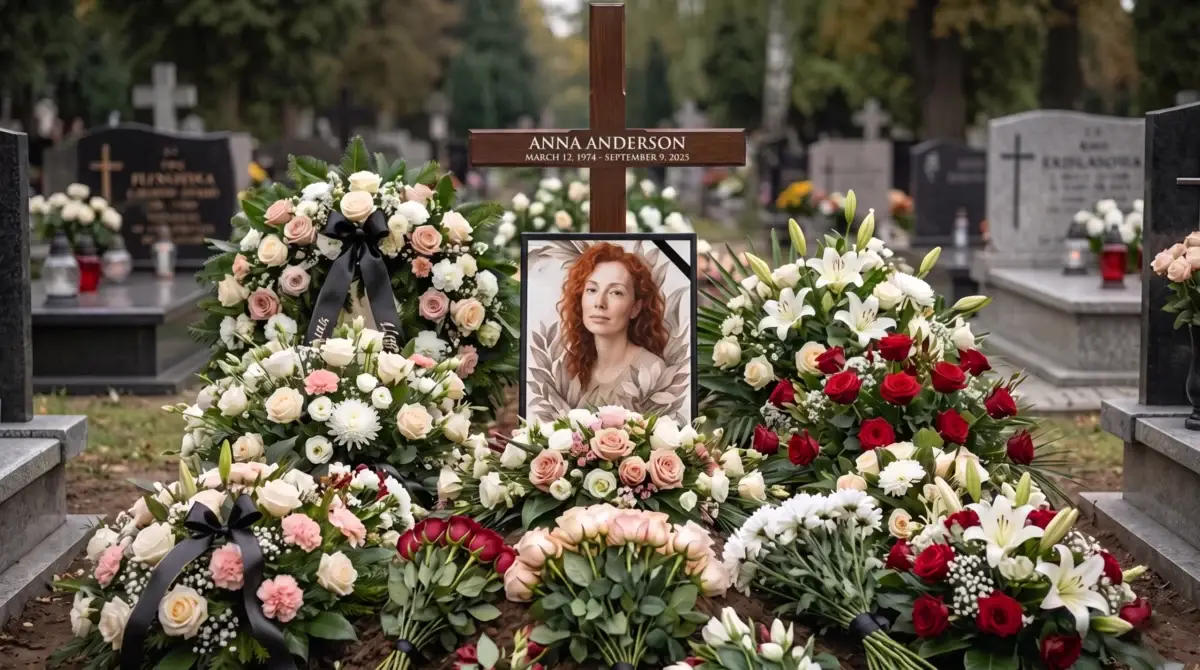
It is worth remembering that an ordinary print will not survive British weather. Rain, damp and swings in temperature reach it within hours, so a standard photograph is best collected the same day, or the following day at the latest.
The alternative is a portrait made to stay outdoors. The photograph is laminated and set in a black wooden frame, which makes it far more resistant to the elements and allows it to remain on the memorial for considerably longer. The frame itself will weather in time under rain, morning dew and dust, but the photograph inside stays intact — in practice such a portrait can stay in place for up to six months without damage.
The photograph as a keepsake for the family
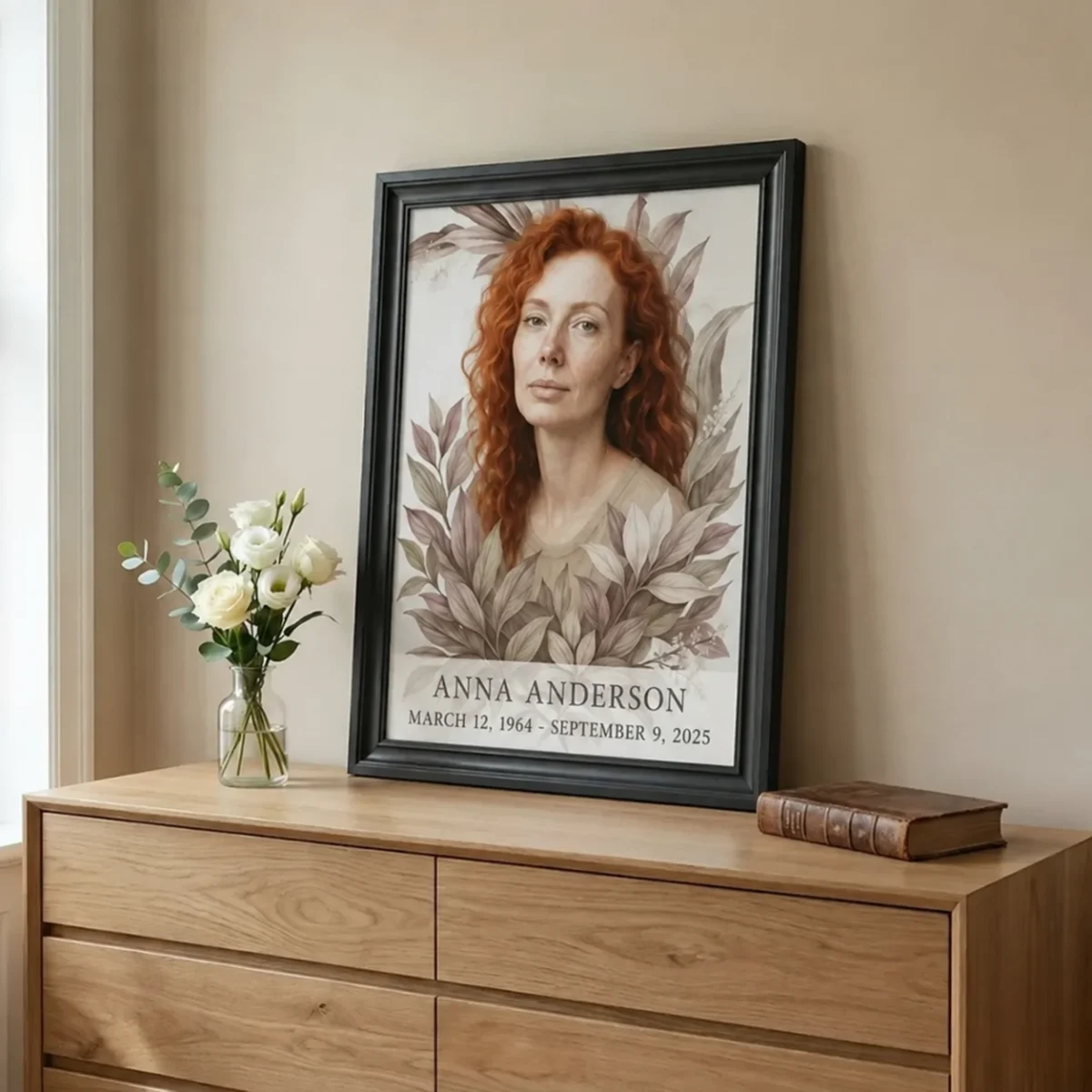
After the service the funeral photograph very often takes on a second role, no less important than the first — it becomes a keepsake. The portrait may find a place at home, on a wall or a shelf, as a quiet reminder of someone close. The person who has died is remembered with dignity, and the family can return to those memories in their own time.
A portrait in a soft floral or foliage composition can also be ordered in two, three or four copies, as keepsakes for the closest members of the family. It is a simple way of keeping the memory within reach of everyone who wants it, rather than in a single household.
Which photographs are suitable for printing?
In practice one thing decides it: how much detail the face itself carries. Printed at 300 dpi, a portrait in a 5×7 inch frame needs a file of roughly 1500×2100 pixels, an A4 print about 2500×3500, and a large memorial plaque of 30×40 cm around 3500×4700. A photograph taken on a phone from close range usually clears these figures comfortably, since current cameras record around 4000 pixels along the longer edge.
The difficulty tends to lie elsewhere. A picture sent through a messaging app or saved from social media has been heavily reduced along the way — often to somewhere between 1000 and 1600 pixels — and will not stand up to a larger format. Where you have the choice, send the original file from the phone’s gallery rather than the copy from a conversation.
A separate case is the only surviving photograph being one from a passport or driving licence, or an old print from an album — yellowed, showing the texture of the paper, sometimes creased. Such a photograph can still be printed, but it needs preparing first: removing grain and discolouration, bringing back sharpness in the face and hair, and cropping the frame to the format chosen. We handle this as a separate service — photo restoration — within 72 hours as standard, or 24 hours on the express option.
Common questions about funeral photographs
How long does a funeral photograph take to prepare?
The design of the portrait itself is usually ready within a day of receiving the photograph. Printing, framing and dispatch together normally take 48 to 72 hours. If the photograph needs restoring first, add 72 hours as standard or 24 hours on the express option.
Is a photograph taken on a phone good enough?
Yes, provided you send the original file rather than a copy from a messaging app. A picture taken from several paces away, where the face occupies only a small part of the frame, may turn out too small once cropped — a closer photograph is the better choice.
How long can the photograph stay at the graveside?
An ordinary print is best collected the same day or the next, as it does not tolerate damp. A laminated version in a wooden frame will last on a memorial for up to six months; the photograph stays intact, though the frame weathers naturally over time.
How many copies should be ordered?
One portrait is enough for the service itself, but families often order two, three or four — for close relatives, as a keepsake to take home.
In summary
A funeral photograph carries several roles at once — it accompanies the family through the farewell, gives the occasion its personal character, and afterwards becomes a lasting keepsake. Whether it stands in a crematorium chapel, is carried to the graveside, left among the flowers or kept at home, it remains a symbol of closeness, respect and memory of the person who has gone.
If you are looking for a funeral photograph prepared with care for detail, for its appearance and for the dignity of the occasion, you are welcome to look through our work. Our shop of framed funeral photographs offers a wide choice, each made individually from the photograph you send, with both the service and the years afterwards in mind.